The events industry is evolving rapidly — but not in the way many people expected.
While AI and automation are transforming how events are planned and managed, the real shift is happening in the attendee experience itself. Today’s audiences expect events to feel more personalised, seamless and relevant from the moment they register to the final follow-up after the event.
For event planners, this creates both opportunity and pressure. Efficiency alone is no longer enough — the focus has shifted toward designing personalised events that feel intuitive, engaging and memorable at every stage of the journey.
At WOW Incentives & Events, we’re seeing more brands prioritise smarter event technology alongside meaningful human connection. The challenge is no longer simply organising an event — it’s designing experiences that deliver impact, emotion and engagement.
AI is Changing Event Operations
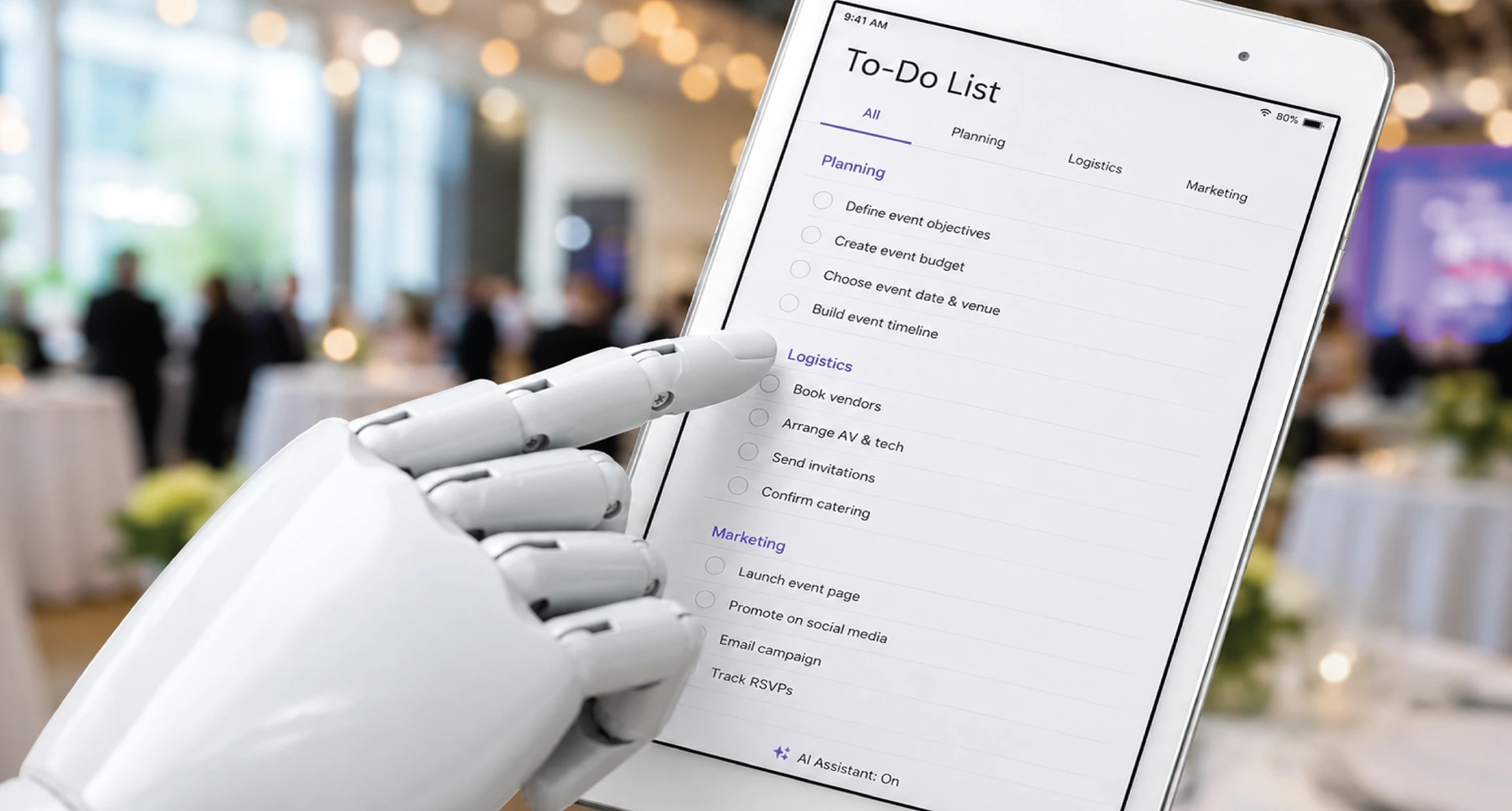
Behind every successful event is a large amount of coordination — registrations, communication, supplier management, scheduling, reporting and attendee engagement all happening simultaneously.
AI is helping event teams manage that complexity more efficiently.
Instead of spending hours on repetitive administrative tasks, planners can now automate processes such as attendee communication, scheduling updates, content recommendations and post-event reporting. This allows teams to focus more on strategy, creativity and guest experience.
The biggest advantage is not just speed — it’s responsiveness. With live attendee data and behavioural insights, event teams can make better decisions in real time during the event itself.
At WOW, one of the most common challenges we see is last-minute attendee changes. AI-powered communication tools now help planners respond instantly without disrupting the attendee experience.
Imagine being able to:
- Predict attendee behaviour before it happens
- Adjust experiences live during an event
- Personalise content for each individual attendee
From Logistics to Experience: AI Across the Event Journey
AI is no longer limited to back-end operations — it is now influencing every stage of the event lifecycle.
From planning and promotion to live delivery and post-event engagement, AI is helping event teams:
- Automate repetitive administrative tasks
- Deliver personalised communication at scale
- Generate real-time insights and reporting
- Improve decision-making during live events
In fact, 66% of event professionals say AI allows them to focus more on high-value work such as creativity and strategy.
The result is a shift from operational management to experience design.
Personalisation is No Longer Optional
Modern attendees no longer respond to generic event experiences.
They expect recommendations, content and networking opportunities that reflect their interests, roles and goals. Whether it’s customised agendas, curated breakout sessions or AI-driven networking suggestions, personalisation has become a baseline expectation in event trends 2026.
This is especially important for corporate events, where attendees increasingly value experiences that feel intentional and thoughtfully designed.
When done well, personalisation improves:
- Engagement
- Participation
- Overall event satisfaction
Attendees who receive personalised experiences are significantly more likely to engage — and convert.
The Rise of Smart Event Tech Stacks
The technology behind events has expanded significantly over the past few years, creating a more connected and intelligent event ecosystem.
Today’s modern event tech stack often includes:
- AI-powered event assistants
- Hybrid and live-streaming platforms
- Real-time messaging tools
- Gamification features
- Data analytics dashboards
- CRM and marketing automation integrations
The key trend is not adopting more technology — it is choosing tools that improve the attendee experience while simplifying operations behind the scenes.
When systems are well integrated, the entire event journey becomes smoother, more consistent and more intuitive.
Human Connection Still Wins
Despite the rapid growth of AI in events, face-to-face connection remains one of the most valuable elements of live experiences.
In many ways, technology is increasing the demand for authentic interaction rather than replacing it.
People still attend events to build relationships, strengthen trust, collaborate and share experiences in real time. Technology should support these moments — not dominate them.
The most successful events in 2026 will be those that balance intelligent systems with emotional connection.
At many of the events we have delivered at WOW Incentives & Events, the most memorable moments are still the unplanned ones — spontaneous conversations, shared experiences and genuine human interaction. Technology works best when it creates more space for those moments.
Final Thought
AI is no longer a future trend in the events industry — it is already part of everyday event planning and delivery.
However, successful events will never be driven by technology alone.
The real opportunity in AI in events for 2026 lies in combining smarter tools with human-centred design to create experiences that feel more personal, more seamless and ultimately more meaningful.
At WOW Incentives & Events, we believe the future of events is not just automated — it is intelligently human.
Contact us today to plan your next innovative event!
Contact Us
References:
The future of AI in events: a shift to smarter planning
10 must-have tools for your event stack